
Ultimate Selection Of Foundation Repair Products
Browse through a comprehensive range of foundation repair solutions designed to meet various repair needs and budgets.
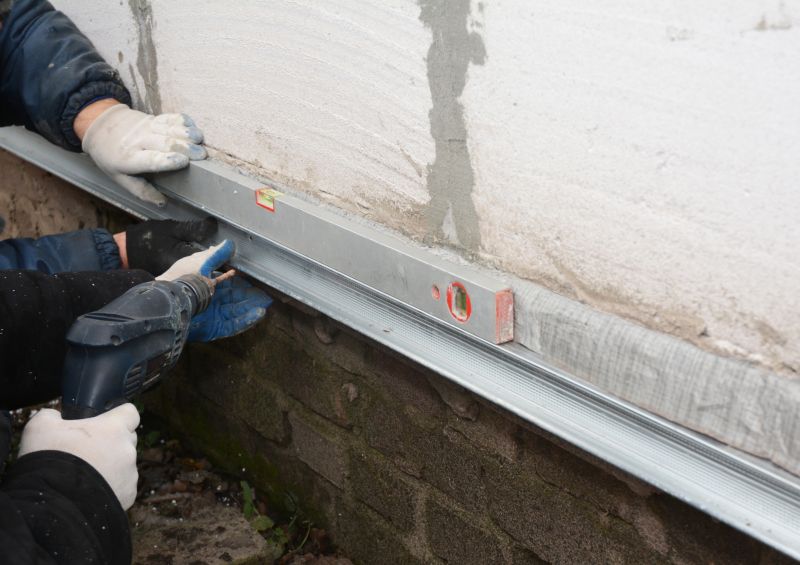 Foundation repairs are a crucial aspect of maintaining the structural integrity of a building, especially in areas prone to shifting soil, moisture fluctuations, or settling issues. Selecting the right products for foundation repair can help address common concerns such as cracks, uneven floors, or water intrusion. These products are designed to stabilize and reinforce foundations, ensuring safety and longevity for your property. When considering foundation repair options, it is essential to understand the variety of solutions available, from internal supports to external stabilization methods.
Top Overall Option
Concrete Piering System
A concrete piering system involves installing reinforced concrete piers beneath the foundation to provide stable support. This approach is versatile and can be adapted to different foundation types, offering a durable solution for uneven settling or shifting. Proper installation by a professional ensures the piers effectively transfer loads to stable soil layers, helping to restore structural integrity over time.
Types of Products For Foundation Repairs
Epoxy Injection Kits
Used for filling and sealing small cracks in concrete foundations to prevent water intrusion and further damage.
Helical Piers
Helical piers are screwed into the ground to stabilize and lift sinking foundations, suitable for various soil conditions.
Push Piers
Push piers are driven into the soil beneath the foundation to provide support and correct settling issues.
Underpinning Systems
Underpinning involves extending or strengthening the foundation to improve stability, often using concrete or steel elements.
Slab Jacking Materials
Materials used for raising and leveling sunken concrete slabs through injection of grout or foam.
Waterproofing Membranes
Applied to exterior or interior foundation surfaces to prevent water infiltration and reduce soil erosion.
Soil Stabilization Products
Chemical or mechanical solutions to improve soil bearing capacity around the foundation.
Carbon Fiber Reinforcement
Used to reinforce cracked or bowed walls, providing additional strength without extensive reconstruction.
Grouting Materials
Used to fill voids and reinforce soil or concrete structures beneath the foundation.
Drainage Systems
Installations designed to divert water away from the foundation, reducing pressure and erosion.
Settlement Monitoring Devices
Tools and sensors to track foundation movement over time, aiding early detection of issues.
Sealants and Caulks
Seal small cracks and gaps to prevent moisture and pest intrusion into the foundation.
Structural Reinforcement Beams
Steel or composite beams used to support and reinforce load-bearing walls and floors.
Vapor Barriers
Installed to control moisture vapor beneath or within the foundation area, reducing dampness.
Concrete Lifting Foam
Lightweight foam used to lift and level sunken slabs with minimal disturbance.
Popular Choices
Widely used for sealing foundation cracks to prevent water entry and further deterioration.
Commonly selected for their strength and reliability in supporting settling foundations.
Popular for their ease of installation and effectiveness in various soil conditions.
Frequently used for reinforcing cracked or bowed basement walls.
Often chosen to protect foundations from water damage and soil erosion.
Popular for improving soil support around the foundation, reducing settlement risks.
Commonly installed to manage water flow and reduce hydrostatic pressure on foundations.
Selected for controlling moisture levels beneath slabs and within crawl spaces.
Used frequently for sealing small cracks and preventing moisture intrusion.
Preferred for raising sunken slabs with minimal disruption to surrounding areas.
Often employed to reinforce load-bearing walls and prevent further shifting.
Popular for ongoing assessment of foundation stability and early problem detection.
In the realm of foundation repair, a range of products exists to suit different types of issues and building structures. Some products are intended for minor cracks and surface repairs, while others are meant for more significant structural interventions. Proper assessment by a professional can help determine the most appropriate approach. Regardless of the specific product chosen, quality and compatibility with your foundation type are key factors to consider.
The process of foundation repair often involves multiple steps, including excavation, reinforcement, and sealing. Products such as epoxy injections, underpinning systems, and helical piers are common solutions used to restore stability. These products are engineered to withstand various loads and environmental conditions, providing a reliable foundation for ongoing building use. Regular maintenance and inspections can also help identify early signs of foundation issues, allowing for timely intervention with suitable repair products.
Key Buying Considerations
- Assess the specific foundation issue to determine the most suitable product type.
- Consider the soil conditions and how they may affect the performance of certain products.
- Evaluate the load-bearing requirements and select products rated for your property's needs.
- Ensure compatibility of repair products with existing foundation materials.
- Review installation requirements and whether professional assistance is recommended.
- Check for product certifications and compliance with local building codes.
- Estimate the scope of repair and choose products that can address the extent of damage.
- Factor in long-term maintenance needs and durability of the repair solutions.
- Consider environmental factors such as moisture levels and drainage in your area.
- Look for products with proven performance in similar foundation issues.
- Evaluate the ease of application and whether specialized tools or skills are needed.
- Assess the potential impact on property value and future resale considerations.
- Research customer reviews and expert recommendations for insights into product effectiveness.
- Determine the budget range and compare the cost-effectiveness of different options.
- Verify the availability of warranties or guarantees for the repair products.